

There is a certain magic in things that refuse to rush. In a world of instant gratification and fast-paced trends, Pu Erh tea stands as a quiet rebel. It is one of the few things in life—much like a vintage wine or a well-worn leather jacket—that actually benefits from the passage of time. If you’ve ever taken a sip of a tea that felt deep, grounded, and almost ancient, chances are you were experiencing the unique wonders of pu erh tea aged to perfection.
At teanleaf, we often talk to tea lovers who are curious about what makes this specific category so legendary. Is it just marketing, or does the tea really change? The answer lies in the living nature of the leaves.
The Living Evolution of the Leaf
To understand why aging matters, we first have to look at what Pu Erh actually is. Hailing from the Yunnan province of China, this tea is made from the large-leaf Camellia sinensis var. assamica. Unlike green tea, which is prized for its fleeting freshness, Pu Erh is crafted to evolve.
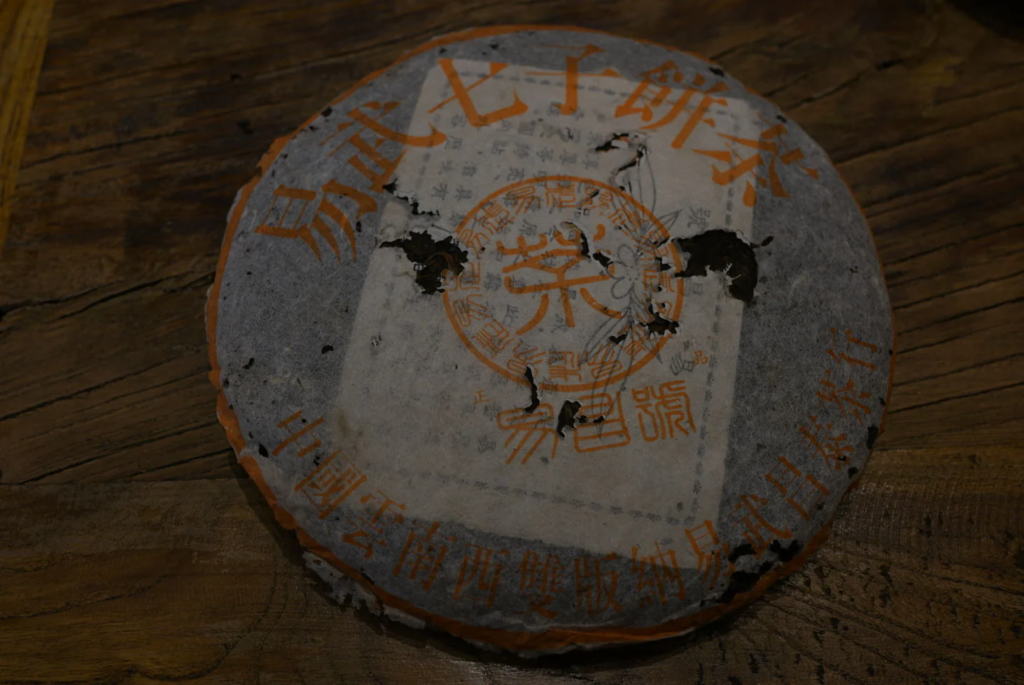
The secret is “post-fermentation.” While other teas are stabilized to stop oxidation, Pu Erh is left with active microbes and enzymes. Over years of careful storage, these elements work in harmony to transform the chemical makeup of the leaf. Bitterness softens into sweetness, and thin textures become thick and syrupy.
Exploring Aged Raw Pu Erh Tea
If you are looking for the “pinnacle” of the aging process, you will inevitably find yourself holding a cup of aged raw pu erh tea. Often referred to as Sheng, raw Pu Erh starts its life looking very similar to a green tea—floral, punchy, and sometimes quite astringent.
However, give it ten, twenty, or thirty years, and it undergoes a total metamorphosis. The bright green hues turn to deep amber and dark chestnut. That sharp “bite” transforms into a complex profile of camphor, stone fruit, and “Chen Xiang” (aged fragrance). For many collectors, drinking an aged raw tea is like drinking history itself; you can taste the climate of the year it was picked and the character of the cellar where it rested.
Why Does Aging Change the Flavor?
It isn’t just a psychological trick; there is real science happening inside those pressed cakes. During the years of storage, several things occur:
- Polyphenol Breakdown: The harsh tannins that make young tea bitter gradually break down, leading to a much smoother mouthfeel.
- The Development of Complexity: New aromatic compounds are formed as the tea interacts with oxygen and ambient humidity.
- The “Cha Qi”: Many enthusiasts find that as the tea ages, its internal energy—or Qi—becomes more grounded and relaxing, rather than jittery like a fresh caffeinated beverage.
Storage: The Silent Ingredient
You could have the finest leaves in the world, but if they aren’t stored correctly, they won’t age—they’ll just get old. Proper aging requires a delicate balance of airflow, humidity, and temperature.
In places like Hong Kong or Taiwan, “natural storage” uses higher humidity to accelerate the process, resulting in earthy, bold flavors. In drier climates, the tea ages more slowly, retaining more of its original floral character. At teanleaf, we always emphasize that where a tea spends its “retirement” is just as important as where it was born.
Q&A
Does Pu Erh tea ever expire?
Technically, no. As long as it is kept away from mold and extreme odors, it can be kept for decades. However, every tea has a “peak” where the flavors are most balanced before they eventually start to fade.
How can I tell if a tea is genuinely aged?
Look at the color of the liquor. A young raw tea will be yellow or gold, while aged raw pu erh tea will be reddish-brown. Additionally, the aroma should be clean and deep, never smelling like “basement” or damp earth in an unpleasant way.
Is aged tea more expensive?
Generally, yes. You are paying for the time it took to store the tea, the risk the collector took in keeping it, and the rarity of the vintage. However, even a 5 to 10-year-old tea can offer a fantastic experience without breaking the bank.
What is the best way to brew aged Pu Erh?
We always recommend the Gongfu style. Use a Yixing clay teapot or a ceramic Gaiwan, plenty of leaf, and boiling water. Short, multiple infusions allow you to watch the tea “wake up” and change through every pour.
Finding Your Perfect Vintage
Whether you are a seasoned collector or a curious beginner, there is something profoundly grounding about sitting down with a cup of pu erh tea aged through the years. It reminds us that good things take time and that there is beauty in the process of maturation.
The next time you’re looking for a tea that offers more than just a caffeine kick, look for something with a bit of history in its leaves. You might just find that the best flavors are the ones that have been waiting for you for a decade or two.

