

Anti-friction products come in different formats, and the differences matter when you are applying them before running, walking, cycling or spending a long day on your feet.
An anti chafing balm may appeal to someone who prefers targeted application, while another person may naturally look for a cream-style product. Ingredient preferences can also lead shoppers towards simpler or naturally positioned formulas.
First Decide Where You Need Protection
Before comparing formats, identify the areas where rubbing actually occurs.
Typical friction zones include:
- Inner thighs
- Underarms
- Waistline
- Feet
- Chest
- Sports bra edges
- Areas beneath packs or belts
A glide cream used over a broader area may feel different to applying a stick-style balm directly to one specific hotspot.
Understanding Balm Formats
Balms are commonly chosen for targeted application.
They can be particularly convenient before activity because there is less need to spread the product across the skin with your fingers.
Why Some Active People Prefer Balms
An anti chafing balm can fit well into routines where speed and portability matter.
Potential practical advantages include:
- Direct application
- Easy targeting of specific hotspots
- Convenient storage with training equipment
- Less mess during preparation
- Simple reapplication when away from home
The exact experience depends on the individual product and personal preferences.
Where Cream Formats Fit
Some people instinctively search for a glide cream because cream-based personal-care products are familiar.
Cream textures can be useful when someone wants to spread a product across a relatively broad area. However, packaging and application may affect how convenient a cream feels during outdoor activities.
Think About Your Hands and Equipment
Applying a cream immediately before handling a running watch, phone, cycling equipment or hydration pack may be inconvenient if residue remains on the fingers.
Application Style Can Affect Consistency
The most useful anti-chafing product is one you actually remember to apply.
Ask yourself:
- Can I use it quickly?
- Can I apply it precisely?
- Will I take it with me?
- Is reapplication practical?
- Does the format suit the body area involved?
These everyday questions may be more important than choosing based on format alone.
What Does “Natural” Mean to You?
People searching for a natural anti chafe balm often have different priorities.
Some are interested in the ingredient list. Others simply prefer products positioned around straightforward formulations.
Read the actual product information rather than relying only on a front-label description. Ingredient transparency allows you to make a more informed decision based on your own preferences.
Match the Product to the Activity
A short walk and an ultramarathon create very different demands.
For everyday walking, you may only need protection around one predictable friction zone. Long-distance runners or hikers may prefer something that is easy to carry and reapply.
A glide cream may be perfectly practical at home but less convenient to apply beside a trail, while a balm format can suit targeted use.
Consider Clothing as Part of the Decision
No product should be viewed in isolation.
If friction is being created by:
- A rough seam
- Poorly fitting shorts
- A badly adjusted pack
- Clothing that constantly rides up
- Elastic pressing into one area
fixing that source can reduce how much you depend on anti-chafe protection.
Test Before Committing to Long Events
Use your chosen product during ordinary activity first.
For runners, try it during shorter training sessions before relying on it on race day. Hikers can test it on local walks before using it during a multi-hour route.
This helps establish how much to apply and whether you need reapplication.
How to Compare Your Options
Instead of asking whether balm is universally better than cream, compare products against your routine.
Useful criteria include:
- Application method.
- Portability.
- Ingredient preferences.
- Intended friction zones.
- Activity duration.
- Ease of reapplication.
- Comfort on your skin.
The right natural anti chafe balm for one person may not be another person’s preferred solution.
Why Choose Us
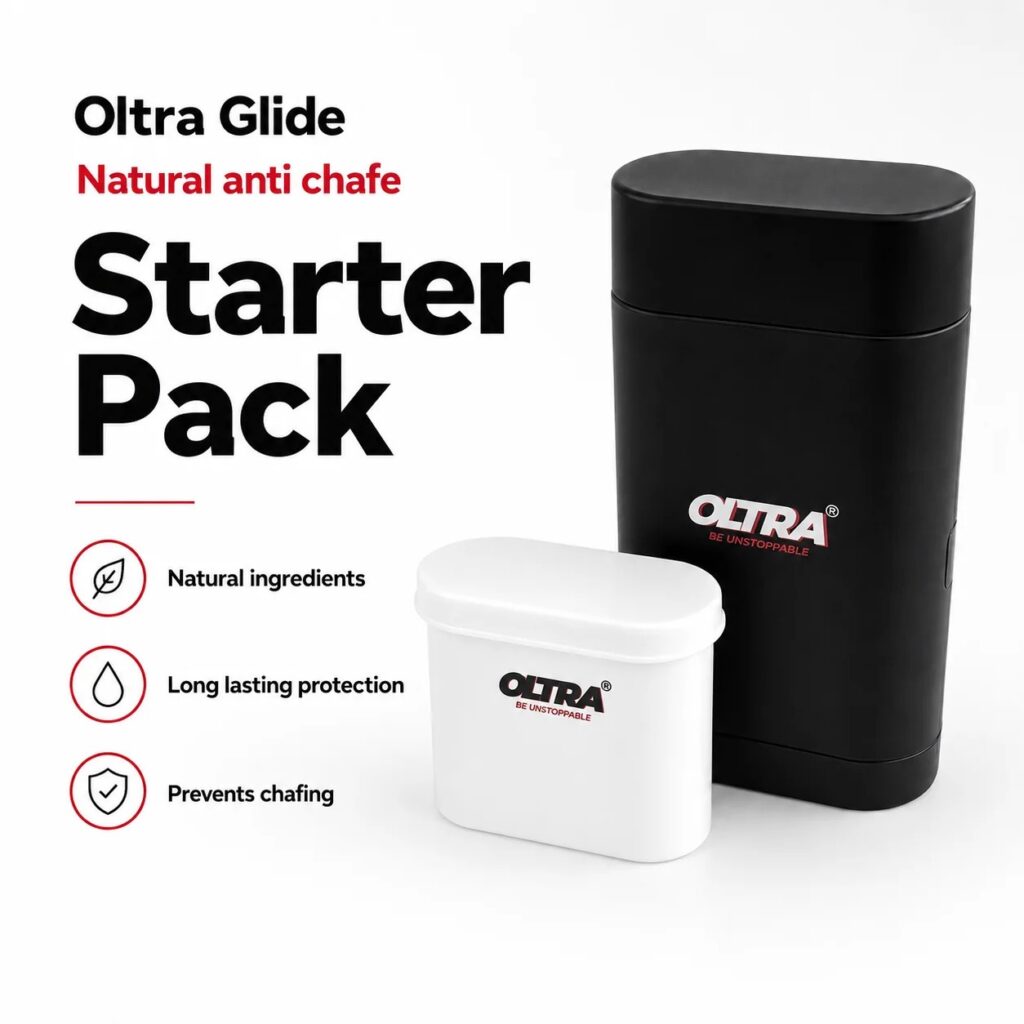
Oltra Glide takes a direct-application approach to friction protection. That makes it easy to target specific contact points before running, walking or other movement-heavy activities.
Rather than complicating preparation, the product can be kept alongside regular exercise equipment and used where rubbing is expected.
About Us
Oltra focuses on everyday solutions for people who lead active lives and want practical ways to manage friction. We approach anti-chafing care as part of normal activity preparation rather than something that should only be considered once skin becomes uncomfortable.
Our emphasis is on convenience, straightforward use and products that fit naturally into active routines.
Conclusion
There is no rule saying everyone needs the same format. An anti chafing balm suits people who value direct application, while a glide cream may appeal to those who prefer a spreadable texture.
If ingredient preferences matter to you, read labels carefully when comparing a natural anti chafe balm. The best choice is ultimately the one that fits the way you move, dress and prepare for activity.

