

In today’s competitive manufacturing landscape, Indian industries are constantly looking for cutting technologies that offer precision, speed, and cost efficiency. Two of the most widely used metal cutting technologies are Fiber Laser Cutting and Plasma Cutting. While both serve the same basic purpose—cutting metal—their working principles, performance, operating costs, and ideal applications are very different.
Choosing the right technology is not just a technical decision; it directly impacts production quality, operating cost, power consumption, and long-term profitability. This article provides a technical, side-by-side comparison to help Indian manufacturers make an informed decision.
Understanding Fiber Laser Cutting Technology
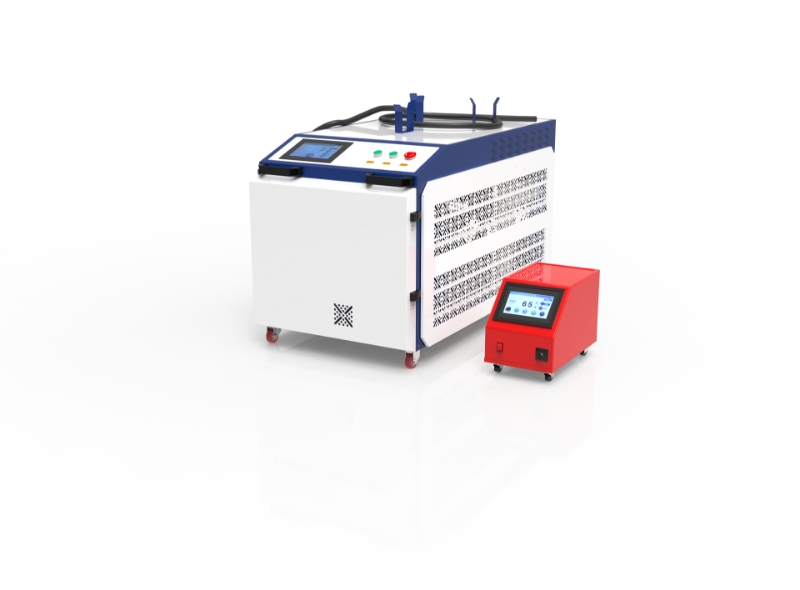
Fiber laser cutting uses a high-intensity laser beam generated through optical fiber to melt and vaporize metal with extreme accuracy. The laser beam is focused on a very small spot, producing clean and narrow cuts.
Key Technical Characteristics
- Laser source: Fiber laser ( Raycus, Max, etc.)
- Cutting method: Thermal melting with focused light energy
- CNC controlled motion system
- Uses assist gases like oxygen, nitrogen, or air
Materials Commonly Cut
- Mild steel
- Stainless steel
- Aluminum
- Brass
- Copper
- Galvanized sheets
Fiber laser cutting is known for its precision, automation compatibility, and low maintenance.
Understanding Plasma Cutting Technology
Plasma cutting works by passing an electrically conductive gas (plasma) through a nozzle at very high temperature. This plasma jet melts the metal and blows away the molten material.
Key Technical Characteristics
- Power source: High-current electrical arc
- Cutting method: Ionized gas at extreme temperature
- Manual or CNC-based systems
- Requires compressed air or specific gases
Materials Commonly Cut
- Mild steel
- Stainless steel
- Aluminum
- Thick metal plates
Plasma cutting is widely used for heavy fabrication and thick metal cutting.
Precision and Cutting Quality Comparison
Fiber Laser Cutting
- Extremely high dimensional accuracy
- Narrow kerf width
- Minimal heat-affected zone (HAZ)
- Clean, burr-free edges
- No secondary finishing required in most cases
Plasma Cutting
- Wider kerf
- Larger heat-affected zone
- Rougher edges compared to laser
- Often requires grinding or finishing
Winner for precision: Fiber Laser Cutting
For industries like automotive, electronics, sheet metal fabrication, and export-oriented manufacturing, laser cutting is clearly superior.
Thickness Cutting Capability
Plasma Cutting Strength
- Excellent for thick plates (12 mm to 50 mm and above)
- Performs well on heavy structural steel
- Lower cost for thick material cutting
Fiber Laser Cutting Limitation
- Best suited for thin to medium thickness
- Ideal range: 0.5 mm to 20 mm (depending on power)
- Higher power lasers (12 kW–20 kW) can cut thicker plates but at higher cost
Winner for thick metal: Plasma Cutting
Winner for thin & medium sheets: Fiber Laser Cutting
Cutting Speed and Productivity
Fiber Laser Cutting
- Very high cutting speed on thin sheets
- Faster acceleration and automation
- Ideal for mass production
- Seamless integration with loading/unloading systems
Plasma Cutting
- Slower on thin sheets
- Speed advantage reduces on thick materials
- Less suitable for high-precision batch production
Winner for productivity: Fiber Laser Cutting
Operating Cost and Power Consumption (India Focused)
Fiber Laser Cutting
- Lower electricity consumption per unit output
- No electrodes to replace
- Lower consumable costs
- Requires stable power supply (important in India)
Plasma Cutting
- Higher power consumption
- Frequent replacement of electrodes and nozzles
- Higher consumable cost over time
Long-term cost efficiency: Fiber Laser Cutting
Lower initial setup cost: Plasma Cutting
Maintenance and Machine Life
Fiber Laser Machines
- Fewer moving parts
- No mirrors (unlike CO₂ lasers)
- Longer service intervals
- High uptime if maintained properly
Plasma Machines
- Regular torch and consumable replacement
- More wear due to high heat
- Higher maintenance frequency
For manufacturers focusing on CNC machine maintenance in manufacturing, fiber laser systems offer better machine life and reliability.

Skill Requirement and Automation
Fiber Laser Cutting
- CNC-based
- Requires trained operators
- Easy integration with Industry 4.0 systems
- Suitable for automated factories
Plasma Cutting
- Can be manual or CNC
- Lower skill barrier for manual systems
- Limited automation in small workshops
Industry-Wise Recommendation for India
Choose Fiber Laser Cutting If You Are In:
- Sheet metal fabrication
- Automotive components
- Electrical panels
- Stainless steel kitchens & elevators
- Export-oriented manufacturing
- Precision engineering
Choose Plasma Cutting If You Are In:
- Heavy fabrication
- Structural steel works
- Shipbuilding
- Industrial construction
- Thick plate cutting
Initial Investment Comparison
| Factor | Fiber Laser | Plasma |
| Machine Cost | High | Low |
| Running Cost | Low | High |
| Accuracy | Very High | Moderate |
| Automation | Excellent | Limited |
While fiber laser machines require higher initial investment, Indian manufacturers often recover the cost faster through lower wastage, higher speed, and better quality output.
Final Verdict: What Should Indian Manufacturers Choose?
There is no one-size-fits-all answer.
- If your business focuses on precision, speed, automation, and long-term cost savings, Fiber Laser Cutting is the best choice.
- If your requirement is cutting thick metal at lower upfront cost, Plasma Cutting remains a practical option.
For most modern Indian manufacturing units aiming to scale, compete globally, and improve quality standards, fiber laser cutting technology is the future.
Conclusion
As Indian manufacturing moves toward automation and high-precision production, technology selection becomes critical. Fiber laser cutting delivers unmatched accuracy, efficiency, and consistency, while plasma cutting continues to serve heavy-duty applications effectively. The right choice depends on your material thickness, production volume, and long-term business goals.
Invest wisely—because the cutting technology you choose today defines your production capability tomorrow.
Twitter :- https://x.com/ESSELLENGINEERS
Instagram:- https://www.instagram.com/essellengineers?igsh=MTlmMTZkN3RkenBhMg==
Youtube Channel :- https://youtube.com/@essellengineers?si=TpcIPqXzJG_C6FCZ
Pinterest:- https://pin.it/1L87FSnyQ

